What is flexible retirement?
In 2024, 1 in 7 USS members who retired did so flexibly. On average, our members chose to flex at age 63, but some do it as early as 55 (rising to 57 in 2028), while others opt for it after the Normal Pension Age of 66.
Flexible retirement works like this:
You receive a proportion of the pension you’ve built up in the defined benefit (DB) Retirement Income Builder, whilst continuing to work on a reduced number of hours and a reduced salary (in agreement with your employer).
How many times can you flex?
It does not have to be a one-off decision either; you can choose to flex up to three times before you retire fully. You’ll retire fully on your final flex.
How much can you take?
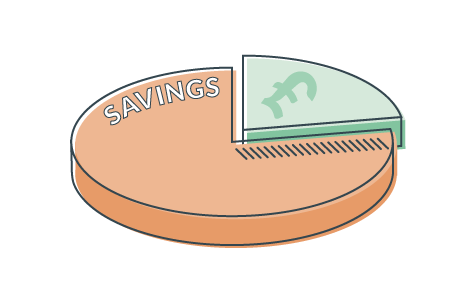
If you decide to flex, you may take between 20% and 80% of the pension you’ve built up in the Retirement Income Builder, as well as the same proportion of the tax-free lump sum (up to a limit) you’d be entitled to at retirement.
What happens each time you flex
Each time you flex, you’ll use a chunk of benefits, and the minimum you can flex is 20%. So, if you take, say 80% of your Retirement Income Builder pension and lump sum in your first flex, you’ll need to retire fully the next time you want to access your DB benefits.
Responses to our most recent member survey showed that many USS members see themselves retiring flexibly in the future. The main reason given is that our members enjoy their work and want to continue.
Flexible retirement may not be possible for everyone. To find out more, speak to your employer.
Get a personal projection of how flexible retirement will look by using the Benefit Calculator in My USS.
For more information you can also visit our you're flexibly retired page.
Published: 13 January 2026